


SUSTAINABLE TOURISM GOALS FOR 2026
Updated: Feb 23
Boracay Sun News asks business leaders for their top priorities, and what it would take to boost tourism in 2026 while shaping the future of Boracay Island.
by Freida Dario-Santiago
Last month, we published a fearless forecast: Boracay tourism was set to end the year strong despite low-season challenges, thanks to robust domestic travel and new direct flights.
True enough, the Malay-Boracay Tourism Office recorded 227,828 tourist arrivals in December 2025, making it the busiest month of the year. The holiday surge included 182,913 domestic travelers and 40,179 foreign visitors, surpassing December 2024’s 195,677 arrivals.
Boracay also exceeded its 2025 target of 2 million visitors, welcoming 2,155,217 total arrivals, up from 2,077,977 in 2024. Domestic tourists made up the majority with 1,765,282 visitors, while top international markets included South Korea, the United States, and Australia.
Tourism Success: Beyond the Numbers
In 2019, 2.28 billion international tourists traveled worldwide. But does higher volume automatically translate to greater benefit for destinations, or the opposite?
Tourism success is often measured purely by arrival figures, offering little insight into social, environmental, or long-term economic impacts. Mass tourism, widely regarded as the antithesis of good tourism, underscores a critical reality: numbers alone do not define success.
Many other factors determine destination success, hinged on sustainability.
Sustainable Tourism
The UN Environment Program and UN World Tourism Organization define sustainable tourism as “tourism that takes full account of its current and future economic, social and environmental impacts, addressing the needs of visitors, the industry, the environment and host communities.”
They further explain that sustainability requires a balanced integration of environmental, economic, and socio-cultural aspects to ensure long-term viability (Making Tourism More Sustainable – A Guide for Policy Makers).
In practice, sustainable tourism is primarily driven by a balance of environmental, economic, and socio-cultural factors, aiming to minimize ecological impact while supporting local communities. Key drivers include active community engagement, strict environmental conservation policies, infrastructure capacity, and tourist awareness. Effective management of overtourism, long-term policy planning, and fostering local economic benefits are essential for success.
“Sustainable tourism has tremendous potential. When developed correctly, it conserves natural resources, celebrates cultures, alleviates poverty, empowers women, enhances education, creates jobs, and improves the well-being of local communities,” UNWTO adds.
Boracay Business Stakeholders Push for Change
We asked Boracay’s leading business stakeholders to identify priority actions for government and local leaders in advancing sustainable tourism. Here are their perspectives.

Djila Winebrenner
President, PCCI-Boracay
“Boracay’s progress must be guided by transparency, accountability, and sustainability.
For 2026, the Philippine Chamber of Commerce and Industry-Boracay (PCCI-B) believes government and local leaders can best support sustainable tourism through two priority actions.
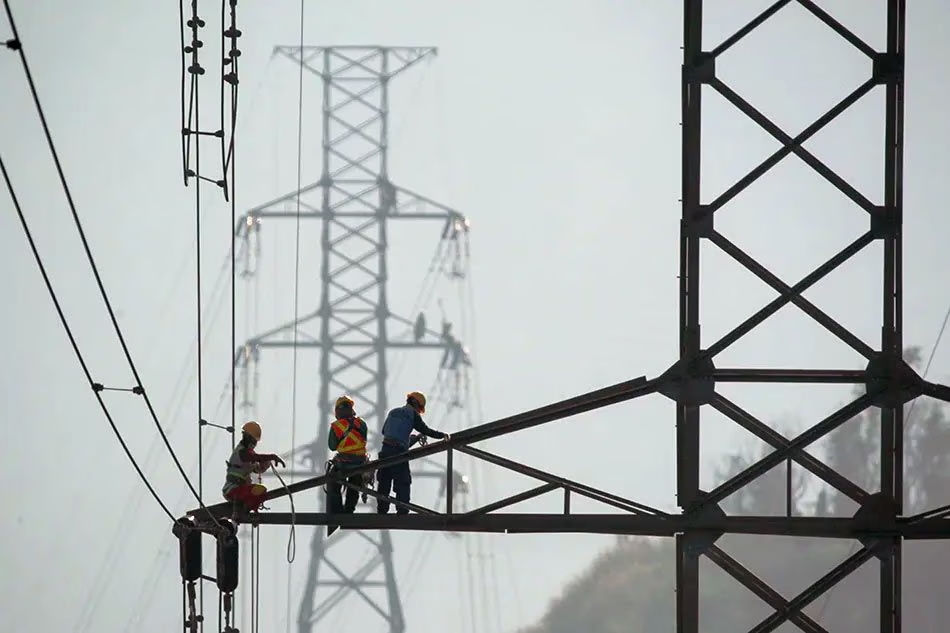
First: Stabilize core utilities, especially power. Reliable electricity is foundational for safety, service quality, and business continuity. This requires firm accountability from NGCP and AKELCO, infrastructure upgrades, and consistent public communication protocols during incidents.
Second: Strengthen environmental infrastructure and enforcement. Sustainable tourism depends on effective solid waste and wastewater systems, disciplined land-use controls, and consistent enforcement of rules that protect the island’s carrying capacity. These are not “nice-to-have” projects—they protect Boracay’s brand, preserve livelihoods, and secure long-term investment confidence.
PCCI-B is committed to working constructively with LGU and national agencies on practical, measurable steps that protect the community while supporting responsible growth.”

Dindo Salazar
Chairman, BFI and Vice President for Boracay Resort Operations, Henann Group of Resorts
“Sustainability does not mean the absence of activity, it means balance.
Our immediate priority should be ease of entry to Boracay, a seamless integration of government fees, and a serious review of additional charges imposed on tourist activities. Simplifying processes, streamlining mayor’s permit requirements, and lowering associated fees will encourage more investments.
Equally important is recognizing Boracay’s greatest asset: its white sand beach. We must responsibly bring back well-regulated beachfront activities, especially those that once attracted corporate and international clients.

Allowing managed and permitted use of the beach enhances tourism without harming the environment such as corporate dinners, beach weddings, and curated photo shoots that promote Boracay organically.
What we are pushing for are clear guidelines, streamlined permits, strict clean-up enforcement, and strong environmental safeguards. This balanced approach protects the beach while restoring the vibrant experiences that made Boracay a world-class destination.
According to Solimar International, a global tourism strategy firm, “Sustainability is no longer just a buzzword, an abstract concept, and a way to greenwash tourism. Destinations must think not only about how to attract tourists, but how to do it right.” Long-term success, they emphasize, depends on maximizing positive impacts while minimizing negative ones, with tourism strategies that directly benefit local communities and protect the environment.
A Defining Year Ahead
Ultimately, achieving sustainable tourism in 2026 will require clear vision, political will, and cooperation across sectors.
As Boracay enters the Year of the Fire Horse, the symbolism is apt. Fire represents intensity, passion, and activation; the horse signifies freedom, speed, and instinct. Together, they point to a year of transformation, one driven not just by growth, but by purpose.
If guided by balance, accountability and compassion, 2026 could mark a pivotal chapter in securing Boracay’s future as a resilient, world-class, and truly sustainable destination.


Comments